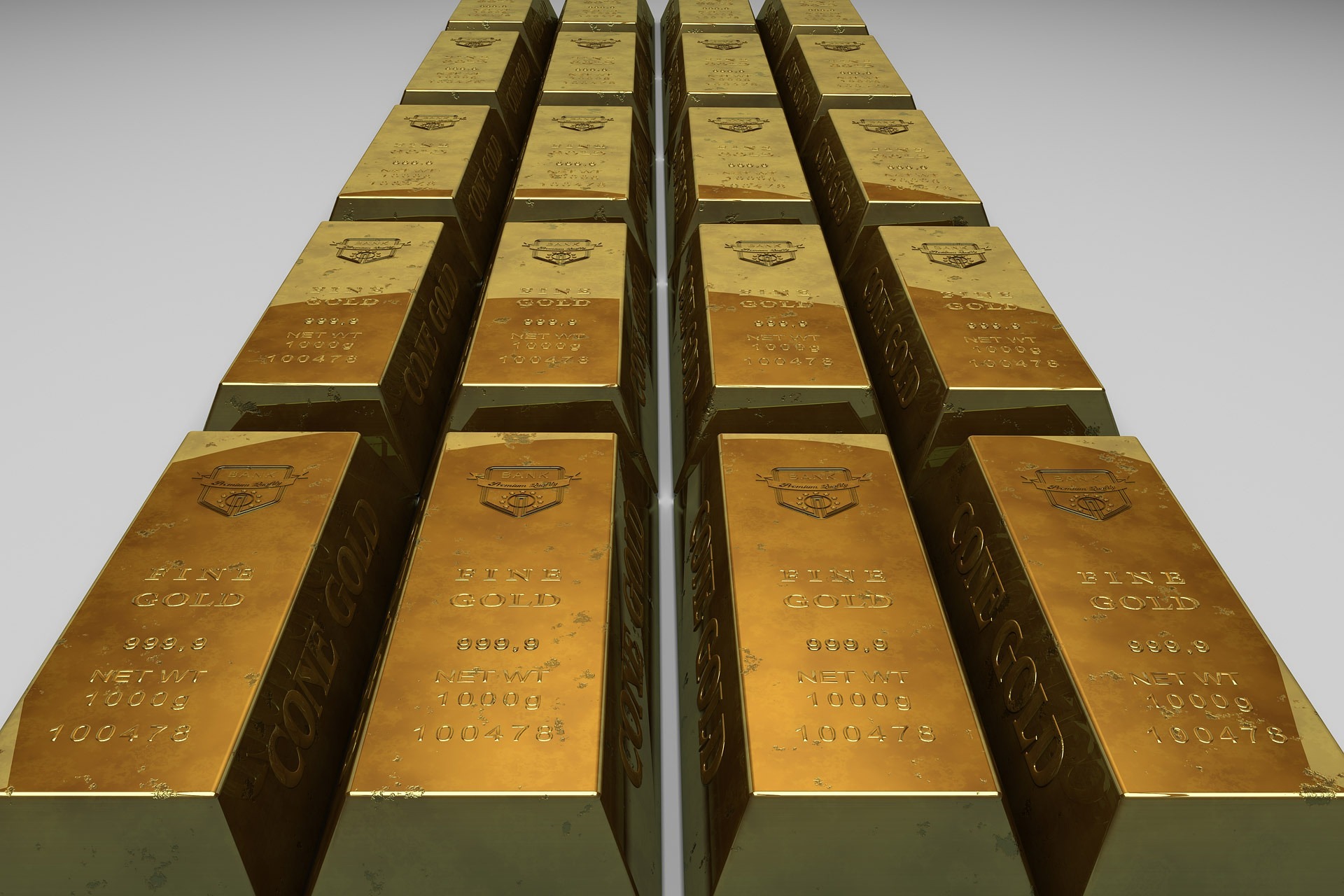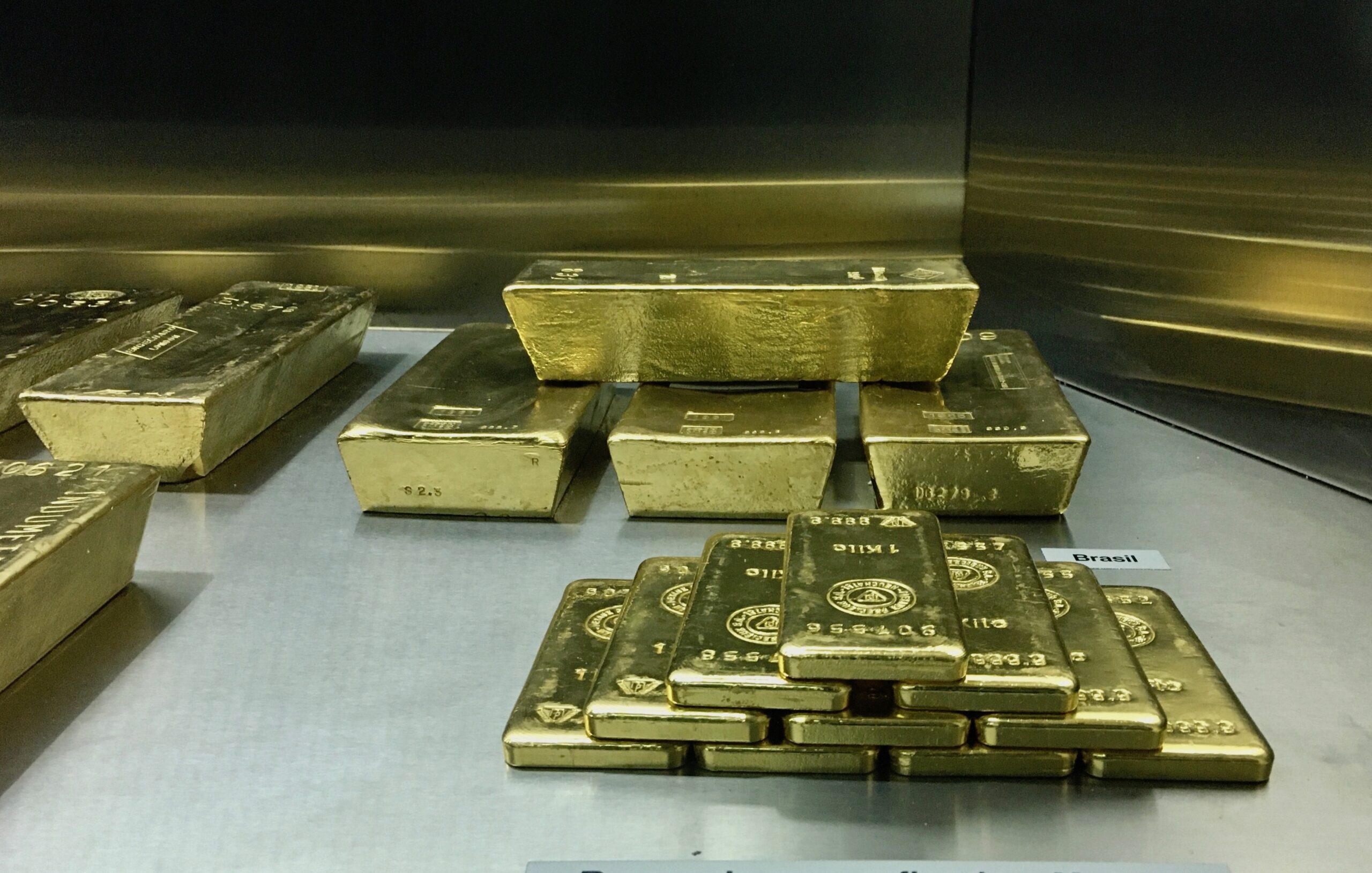


Buying physical gold means owning real metal: bars you can hold, count and store, rather than a promise on a screen. For many buyers, that is the whole point. But physical gold also brings practical questions that paper investments never ask. How will it reach you? Where will you keep it? Who insures it? And what will it really cost to own?
This guide answers those questions. It covers choosing the right form of gold, getting it delivered safely, your storage options, insurance and taxes, the total cost of ownership and how to sell later. It also explains how Noble Ore Mining, a Ugandan gold producer, supplies physical gold direct from our own mines.
This article is general information, not financial, tax or legal advice.
Physical gold appeals to buyers who want:
The form you buy affects price, storage and how easily you can sell.
| Form | Typical weight | Advantages | Things to consider |
|---|---|---|---|
| Kilobar | 1 kg (about 32.15 troy oz) | Low premium per ounce, widely traded in Asia and the Middle East | Large value in one piece; can’t sell part of it |
| Large bar | About 400 troy oz (about 12.4 kg) | Lowest premium; the wholesale standard | Very high value; mainly for institutions |
| Small bars | 1 g to 500 g | Easy to sell in parts | Higher premium per ounce |
| Coins | Usually 1 oz or smaller | Recognisable and easy to sell | Highest premiums |
Most businesses and larger buyers choose 1 kg kilobars. They balance a low cost per ounce with easy resale in major gold markets.
Gold is heavy, valuable, and a target for theft, so delivery needs careful planning.
Where you keep physical gold is one of the most important decisions you will make.
Home or office safe. Gives instant access and no storage fees. But it carries theft risk, needs a high-quality safe, and home insurance often limits or excludes bullion. It is generally suitable only for small amounts.
Bank safe deposit box. Secure and inexpensive. Contents are often not insured by the bank, access is limited to banking hours, and some banks restrict bullion.
Professional bullion vault. Purpose-built vaults run by specialist security companies offer high security, insurance and regular audits. Many are located in major gold hubs and free-trade zones such as Dubai, Zurich, London, Singapore and Hong Kong. This is usually the best option for larger holdings.
When using a vault, understand the difference between:
For physical gold owners, allocated, insured, audited vault storage is generally the gold standard.
Physical gold should be insured at every stage:
Tax rules on physical gold differ widely from country to country, so take local advice before buying. Points to check include:
On the export side, the seller handles its own country’s requirements. In Uganda, exported gold must be refined to at least 99.5% purity and covered by an export permit, with any applicable levies paid by the exporter.
The price of the gold is only part of the cost. Before buying, add up the full cost of ownership:
| Cost | When it applies | Notes |
|---|---|---|
| Premium or discount to the gold price | At purchase | Lower for large bars and direct-from-producer purchases |
| Assay and inspection | At purchase | Independent inspection is worth the cost on large orders |
| Shipping and transit insurance | At delivery | Included by the seller under CIF terms |
| Import duties and taxes | At delivery | Vary by country |
| Storage fees | Every year | Vaults usually charge a small annual percentage of value |
| Storage insurance | Every year | Often included in vault fees |
| Selling spread | At sale | The gap between buying and selling prices |
Buying larger bars direct from a producer usually gives the lowest cost at the purchase stage. Choosing efficient, insured vault storage keeps ongoing costs down.
Physical gold is easy to sell if you prepare for it from day one:
If the chain of custody is broken, for example if gold has been stored at home, buyers may ask for a new assay before paying full value.
Noble Ore Mining is a fully registered private company specialising in gold mining and export. Established in 2010, we have more than 15 years of experience in Uganda’s gold sector. Our office is in Kampala, and our mines are in the Mubende and Kassanda Districts of Central Uganda.
We supply physical gold directly from our own mines:
What is the best way to store physical gold? For larger amounts, allocated, insured, and audited storage in a professional bullion vault is generally the safest option.
What is the difference between allocated and unallocated gold? With allocated gold, specific bars are held in your name and belong to you. With unallocated gold, you have a claim on an amount of gold but not on specific bars, so you rely on the provider.
Can physical gold be delivered straight to a vault? Yes. Noble Ore Mining can ship gold directly to the professional vault you choose.
Do I pay tax when buying physical gold? It depends on your country. Check import duties, VAT or sales tax, and capital gains rules with a local tax adviser.
What is the minimum order from Noble Ore Mining? Our minimum order is 1 kg.
Physical gold gives you direct ownership of a lasting asset, as long as it is delivered, stored, and insured properly. Noble Ore Mining supplies certified kilobars directly from our own mines, shipped securely to you or your vault.
Lorem Ipsum is simply dummy text of the printing and typesetting industry