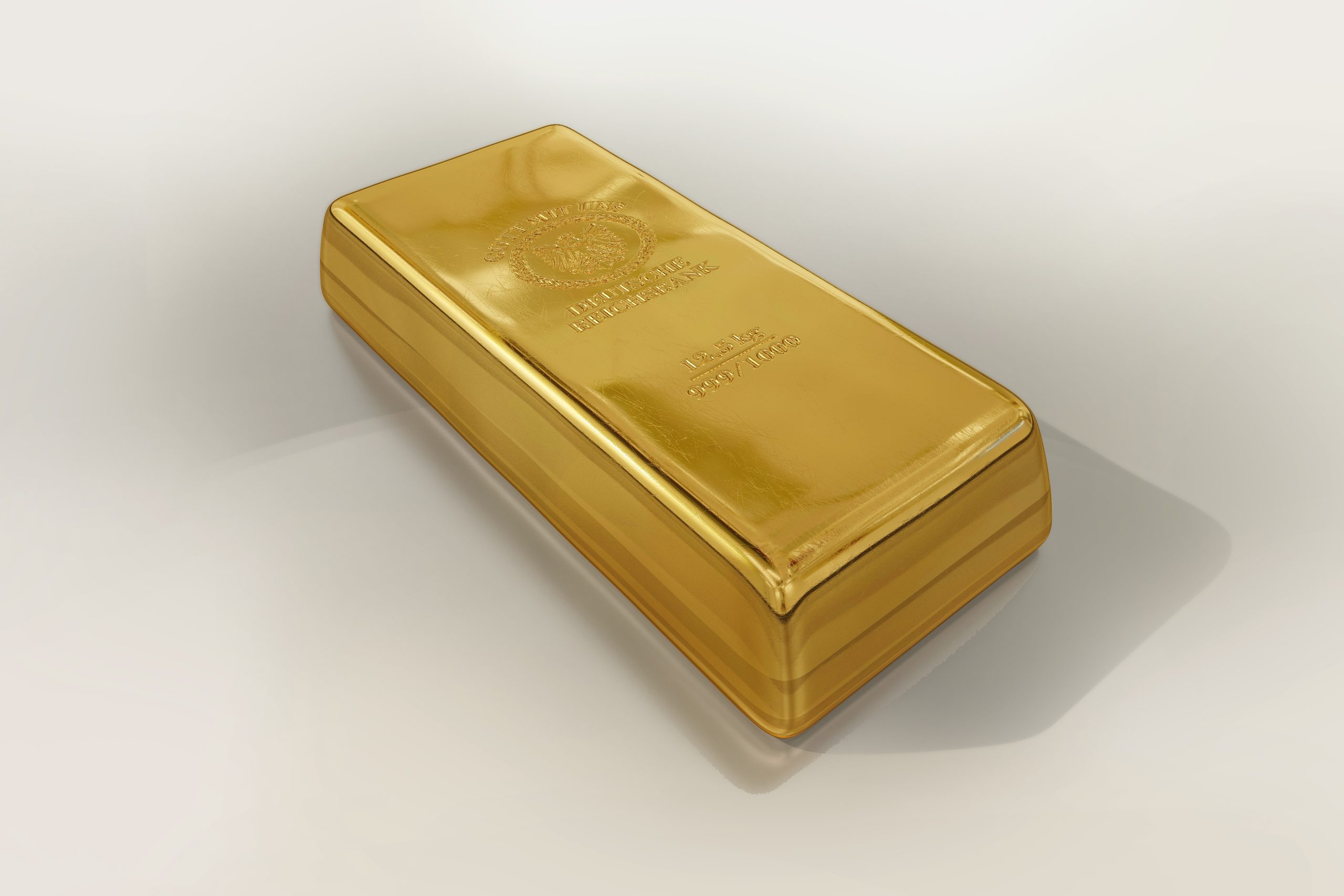


Gold is traded in almost every country on earth, but it is produced in far fewer places. For jewellers, bullion dealers, refiners and investors, finding a reliable supplier is one of the most important business decisions they make.
The wrong supplier can mean poor-quality metal, legal problems or outright fraud. The right one gives you consistent quality, clear documentation and a long-term partner.
This guide looks at where the world’s gold comes from, the main types of gold suppliers worldwide, and how to judge them. It also explains why Africa, and Uganda in particular, has become an important source for international buyers, and how Noble Ore Mining supplies refined gold from its own mines.
The world mined about 3,672 tonnes of gold in 2025, according to the World Gold Council. Another 1,400 tonnes or so came from recycling old jewellery and other scrap. Together, that makes a total supply of roughly 5,000 tonnes a year.
Mine production is concentrated in a handful of countries. The top five producers in 2025 were:
| Rank | Country | Approximate 2025 mine production |
|---|---|---|
| 1 | China | 380 tonnes |
| 2 | Russia | 310 tonnes |
| 3 | Australia | 280 tonnes |
| 4 | Canada | 200 tonnes |
| 5 | United States | 160 tonnes |
Other major sources include Peru, Uzbekistan, Mexico, Indonesia and Ghana.
For international buyers, the biggest producer is not always the most practical supplier. China’s gold, for example, is largely consumed at home. Sanctions restrict trade in Russian gold across much of the Western world. That leaves many buyers looking for suppliers in open, trade-friendly markets with clear export rules.
Africa is one of the world’s most important gold-producing continents. Ghana is the continent’s largest producer, mining about 140 tonnes in 2025. Mali, Burkina Faso, South Africa, Sudan and Tanzania are also major producers.
East Africa is a growing part of this story. In Uganda, gold has become the country’s leading export, worth more than US$3 billion a year. Central Uganda, especially the Mubende and Kassanda districts, has been known for gold since the 1920s.
African gold attracts international buyers for three main reasons:
Gold reaches buyers through several kinds of suppliers. Each has strengths and limits.
Mining companies. These produce gold at the source. Buying from a miner gives you the clearest origin and the shortest supply chain. Large international miners usually sell to refiners under long-term contracts, while small and mid-sized miners often sell directly to dealers and trading companies.
Refiners. Refiners turn raw gold into high-purity bars. The best known are accredited on the London Bullion Market Association (LBMA) Good Delivery List. Refiners often sell to banks, dealers and manufacturers.
Bullion banks and wholesale traders. These handle very large volumes in global trading centres such as London, Zurich, New York, Dubai and Hong Kong. They usually serve institutions rather than smaller buyers.
Bullion dealers and retailers. Dealers resell bars and coins to businesses and individuals. They are convenient, but each extra step in the chain adds to the price.
Brokers and agents. Brokers connect buyers with sellers for a commission. Some are legitimate, but many gold scams also start with unverified brokers. Always deal with the company that holds the gold and the licences wherever possible.
Wherever your supplier is based, judge it on the same core points.
A supplier who is open on all seven points is far more likely to be a safe long-term partner.
Responsible sourcing is no longer optional. Banks, refiners, and regulators increasingly expect buyers to prove that their gold is legally and ethically produced.
The most widely used framework is the OECD Due Diligence Guidance for Responsible Supply Chains of Minerals from Conflict-Affected and High-Risk Areas. It asks companies to identify and manage risks in their supply chain, such as conflict financing, serious human rights abuses, and money laundering. Refiners on the LBMA Good Delivery List must also follow the LBMA’s Responsible Gold Guidance, which is based on the OECD framework.
In practice, a responsible supplier should be ready to provide:
A professional gold deal is built on clear paperwork.
The contract. A sales and purchase agreement should state the gold’s form, purity, weight, price formula (usually linked to the international spot price), delivery terms, inspection rights, and dispute resolution.
Delivery terms. International gold trades usually use standard Incoterms. Under FOB (Free on Board), the buyer takes responsibility once the goods are loaded for shipment. Under CIF (Cost, Insurance and Freight), the seller pays for insurance and freight to the destination.
Payment. Payments should always go through regulated banks. Common methods include bank transfers made after assay confirmation and documentary letters of credit. Never pay cash or send money to personal accounts.
Shipping. Gold is shipped by secure, insured air freight, often with specialist logistics firms. The buyer then completes import clearance in the destination country.
Noble Ore Mining is a fully registered private company that specialises in gold mining and export. Established in 2010, we have more than 15 years of experience supplying gold. Our office is in Kampala, and our mines are in the Mubende and Kassanda Districts of Central Uganda.
We supply buyers worldwide, including bullion dealers, refiners, jewellers, and trading companies. Here is why they choose us:
Which country is the best source of gold? There is no single best country. The right source is a supplier in a country with clear export laws, traceable gold, and a record of reliable delivery.
Is it safe to buy gold from African suppliers? Yes, when you buy from a registered, licensed company that provides assay certificates, export permits, and a written contract, and you pay through banks.
Does Noble Ore Mining supply buyers outside Africa? Yes. We supply refined gold to buyers worldwide. Delivery terms are agreed in each contract [for example, FOB Entebbe or CIF your destination].
What is the minimum order? Our minimum order is [add minimum order]. Contact us for a quotation based on your volume.
How do I verify Noble Ore Mining? Ask us for our registration and licence numbers and check them with Uganda’s Ministry of Energy and Mineral Development. You are also welcome to visit our office at Kingdom Kampala.
Finding a reliable gold supplier takes careful checks, but the reward is a secure, long-term source of gold. Noble Ore Mining offers mine-to-buyer supply, full documentation, and more than 15 years of experience.
Contact our sales team today to request a quotation.
Lorem Ipsum is simply dummy text of the printing and typesetting industry