Pure gold dust for sale offers professional artisans, restorers, and craftspeople access to genuine 24k, 23.75k, and 23k gold powder for high-quality gilding projects. This finely ground material serves countless applications, from traditional iconography and manuscript illumination to modern Kintsugi pottery repair and fine art restoration.
This comprehensive guide targets professional artists, conservators, frame makers, and serious hobbyists who need reliable gold powder for their specialized work. We’ll explore the specific professional applications where gold dust excels and examine the various mixing techniques and binder options that produce optimal results. You’ll also discover available quantities and packaging options to match your project scale, and learn about quality standards and manufacturing origins that ensure you’re getting authentic, professional-grade materials.
Understanding Pure Gold Dust and Powder for Professional Applications
What is genuine gold powder, and how does it differ from imitations
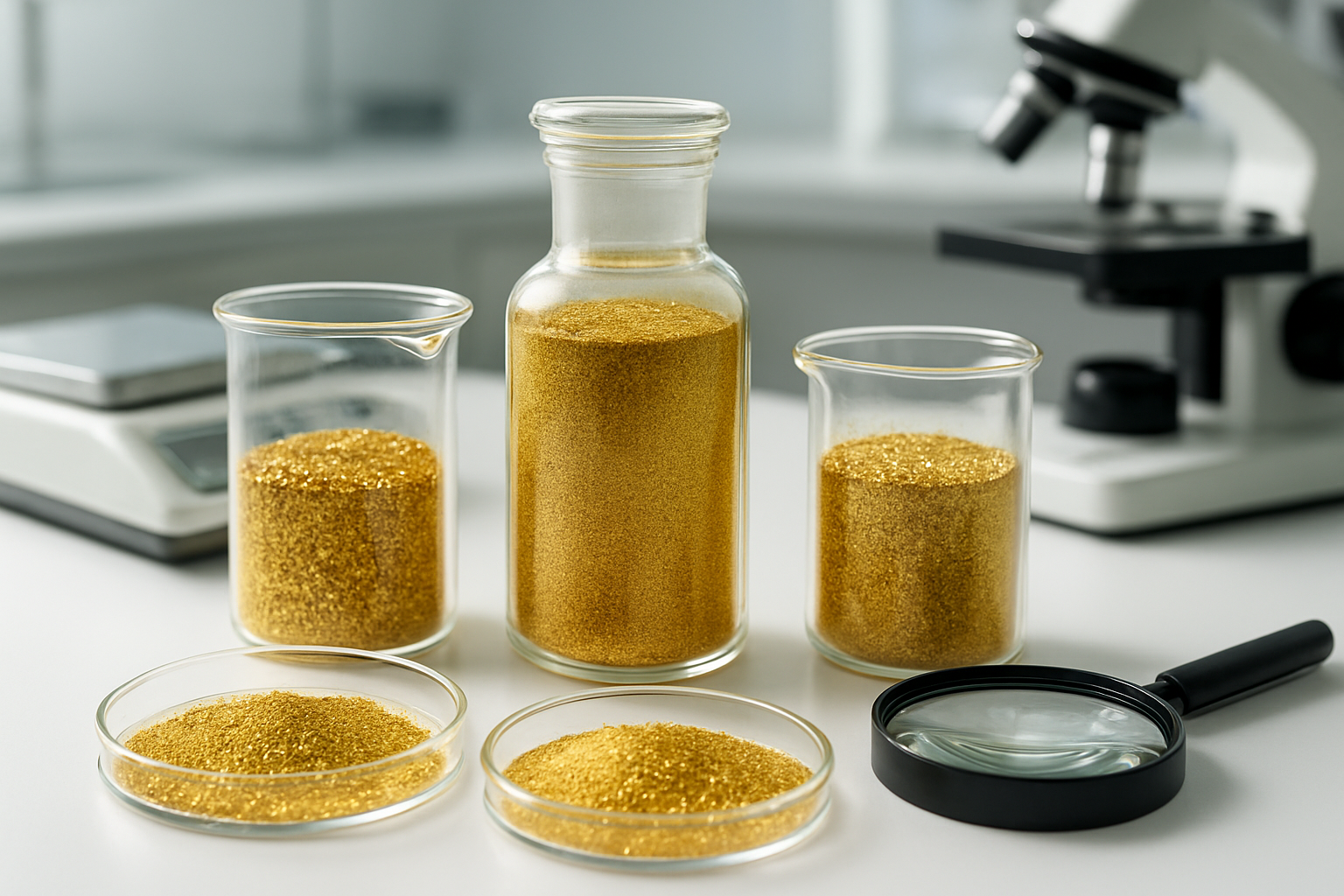
Genuine gold powder meets the highest standard for precious metal materials in professional applications, crafted from pure elemental gold (Au 99.999%) without any mica or mixed metals. The industry reference standard comes from established manufacturers like Eytzinger’s Crocodile Brand, made in Germany, which ensures consistent quality and purity for demanding professional work.
The key distinction between authentic gold powder and imitations lies in the source material and manufacturing process. Genuine gold powder is produced through meticulous hand-grinding of pure gold, resulting in ultra-fine particulates that retain the inert properties of pure gold. These handcrafted materials are labor-intensive to produce and often created in limited monthly batches due to the specialized refinement process required.
Imitation products frequently contain mica, bronze powders, or other metallic substitutes that may appear similar but lack the chemical stability, longevity, and visual brilliance of pure gold. Professional artisans recognize authentic gold powder by its distinctive sparkle characteristics – genuine material will exhibit natural luminescence even without burnishing, while maintaining its color integrity over time due to gold’s non-reactive nature.
Common purity levels available: 24k, 23.75k, 23.5k, 23k, 22k, 18k, and 12k options
The professional gold powder market offers a comprehensive range of purities to accommodate diverse application requirements and budget constraints. Pure 24k gold powder (99.999% purity) represents the highest grade available, providing maximum brilliance and chemical inertness for applications where absolute purity is essential, such as fine art illumination, iconography, and restoration work.
Moving down the purity scale, 23.75k gold powder offers near-maximum gold content while incorporating minimal alloy content for specific working properties. The 23.5k and 23k options provide excellent performance for most professional gilding applications, including manuscript illumination, decorative arts, and high-end restoration projects.
Mid-range options include 22k and 18k gold powders, which incorporate controlled alloy blends that can enhance workability and reduce material costs while maintaining professional quality results. The 22k variety remains popular for ornamental frame restoration and detailed decorative work, while 18k lemon gold powder provides a distinctive warm tone preferred for certain artistic applications.
At the accessible end of the spectrum, 12k white gold powder delivers professional-grade results at a more economical price point, making it suitable for training, large-scale applications, or projects where pure gold content is less critical to the final outcome.
Key particle size specifications for optimal performance
Professional gold powder applications require precise particle-size control to ensure optimal performance across various techniques and binding systems. Industry-standard specifications typically center around 10-micron particle sizes for most professional applications, providing the ideal balance between coverage efficiency and workability.
The 10-micron specification used by leading manufacturers like Eytzinger ensures consistent application characteristics when mixed with various binder systems, from traditional rabbit glue solutions to modern epoxy formulations used in Kintsugi pottery repair techniques. This particle size allows for smooth application while maintaining sufficient surface area for proper adhesion and burnishing characteristics.
For specialized applications that require different visual effects, some manufacturers offer particles in varying sizes. Coarser particles, approximately the size of sea salt, create distinctive sparkle effects that remain visible without burnishing, making them ideal for decorative sprinkling applications or projects where immediate visual impact is desired.
Particle size directly affects the final appearance and working properties of the material. Finer particles provide smoother, more uniform coverage suitable for detailed work and traditional gilding techniques, while slightly larger particles offer enhanced light reflection and textural interest for contemporary artistic applications.
Professional Applications and Uses for Gold Dust
Traditional gilding projects and artwork restoration
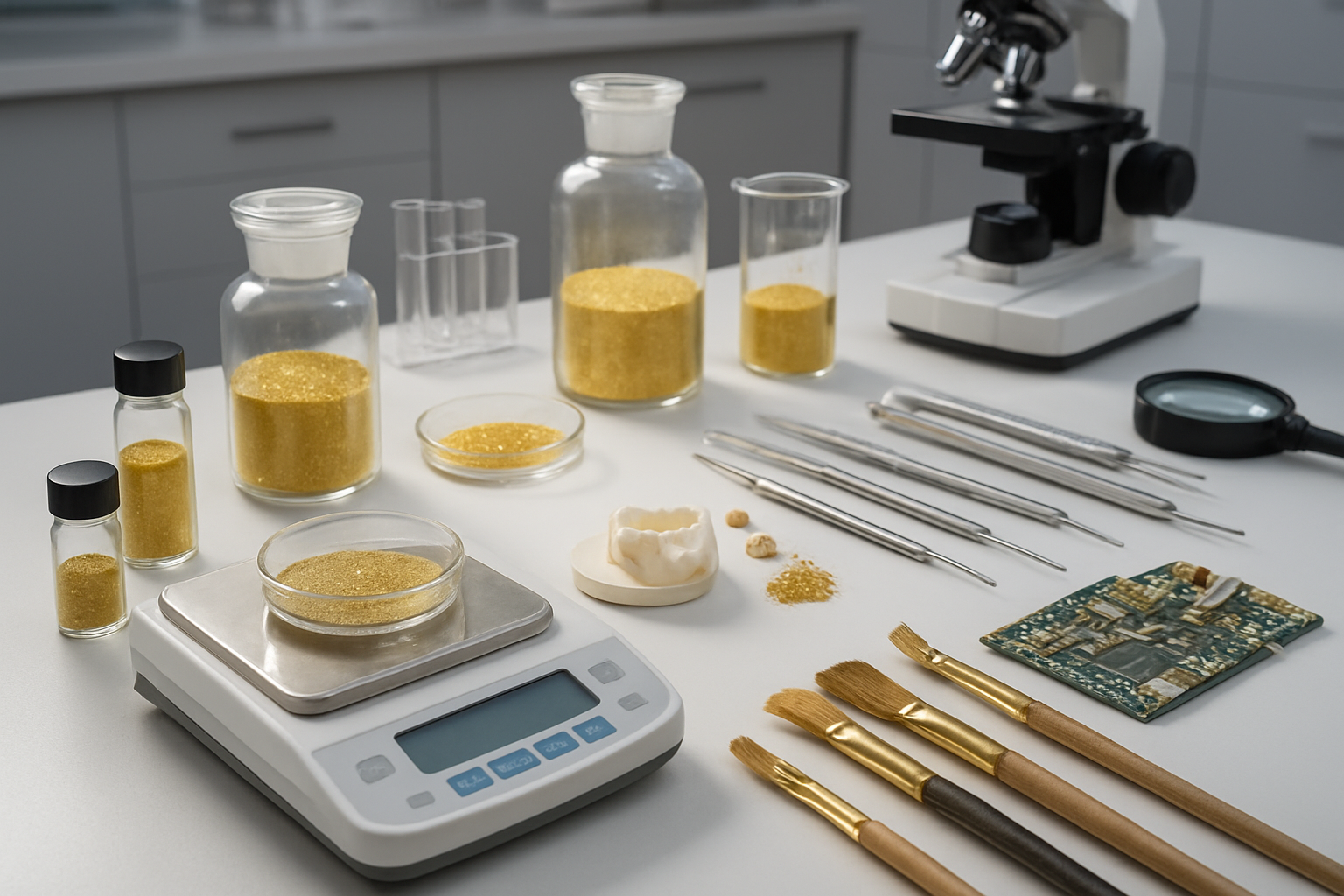
Gold dust and powder serve as essential materials in the meticulous restoration of historic gilded artworks and architectural elements. The gilding restoration process involves understanding and valuing the historical significance of the original design before proceeding with the application of materials. Restorers must first strip old metal leaf to bare substrate, ensuring optimal surface conditions for new gold application. This critical step prevents adhesion failures that would compromise the entire restoration project.
The restoration process requires careful material selection to maintain fidelity to original techniques. Gold leaf weight and karat content are crucial considerations: interior projects typically use 22-karat gold at 15-18 grams per 1000 sheets, while exterior applications require 23.75-karat gold at 21-23 grams per 1000 sheets to withstand environmental conditions. Professional restorers use both mechanical stripping tools and chemical products, followed by proper surface cleaning with solvents such as mineral spirits or xylene to remove contaminants before primer application.
Kintsugi pottery repair techniques using gold powder
Now that we have covered traditional restoration applications, gold powder plays a distinctive role in the Japanese art of Kintsugi, in which broken pottery is repaired with gold-enhanced adhesives. This technique transforms damage into beautiful artistic elements, celebrating imperfection rather than concealing it. The gold powder is mixed with specialized binders to create strong, visually striking repair lines that become integral decorative features of the restored piece.
Iconography, manuscript illumination, and Arabic calligraphy
With this in mind, gold dust is widely used in religious iconography and manuscript illumination. These applications require extremely fine gold powder that can be mixed with appropriate binders to create smooth, consistent applications for detailed artwork. The material’s stability and resistance to oxidation make it ideal for preserving religious artifacts and historical manuscripts. Arabic calligraphy particularly benefits from the use of gold powder, which enhances the spiritual and aesthetic value of sacred texts.
Frame making for ornamental and deeply carved objects
Previously established restoration techniques extend to decorative frame making, where gold dust proves invaluable for reaching intricate carved details that traditional leaf application cannot adequately cover. The powder form allows artisans to work gold material into deep recesses and complex ornamental patterns using specialized brushes and application techniques. This application method ensures complete coverage of elaborate carved surfaces, maintaining the uniform appearance essential for high-quality decorative work. Professional frame makers often prefer gold dust for restoration projects involving antique frames with intricate detail work, as the powder can be applied precisely to match original gilding patterns and textures.
Mixing Techniques and Binder Options for Best Results
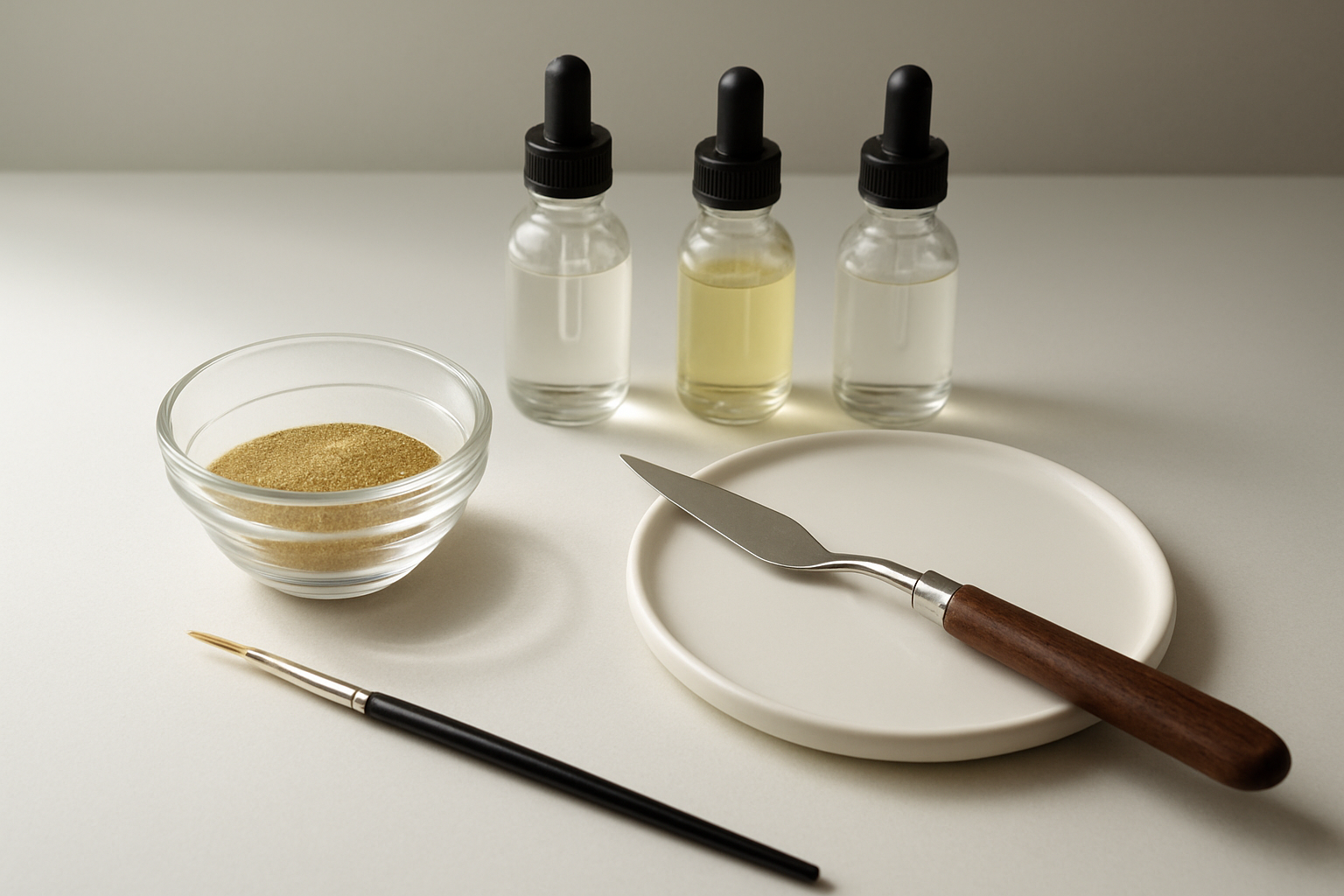
Creating gold paint with Gum Arabic for artwork
Gold dust mixed with gum Arabic represents one of the most refined techniques for artistic applications, historically known as shell gold technique or “nicchia” gilding. This method involves combining finely ground gold powder with Arabic gum to create a paintable mixture that can be applied with precision using a brush. The technique proves particularly valuable for defining small details or gilding finely carved parts where other gilding methods would be too cumbersome.
Giorgio Vasari documented this process in his 1568 work, describing how gold sheets were ground in a glass cup with honey and gum, specifically noting its use by miniaturists and artists creating subtle highlights and outlines in paintings. The resulting mixture, when properly prepared, allows for exceptional control and precision in application, making it ideal for delicate artistic work where fine detail is paramount.
Using rabbit glue as a versatile binder solution
While the reference content primarily focuses on gum Arabic applications, the shell gold technique demonstrates the flexibility of using various animal-based binders for gold powder applications. The traditional approach of combining gold dust with animal glue provides an alternative binding solution that offers different working properties compared to gum-based mixtures.
Epoxy combinations for Kintsugi pottery repairs
Now that we have covered traditional artistic applications, it’s important to note that modern applications require appropriate binder selection based on the intended use. The particle size of gold powder significantly affects both the final appearance and the mixing requirements with various binders.
Polishing techniques with agate stone burnishers
The effectiveness of gold powder applications depends heavily on proper preparation and finishing techniques. The glittering degree of the final result correlates directly with the particle size of the metal powder used: larger particles create more sparkle but may require coarser application methods, while finer particles produce a less metallic appearance but allow for more detailed work and smoother finishes.
Available Quantities and Packaging Options
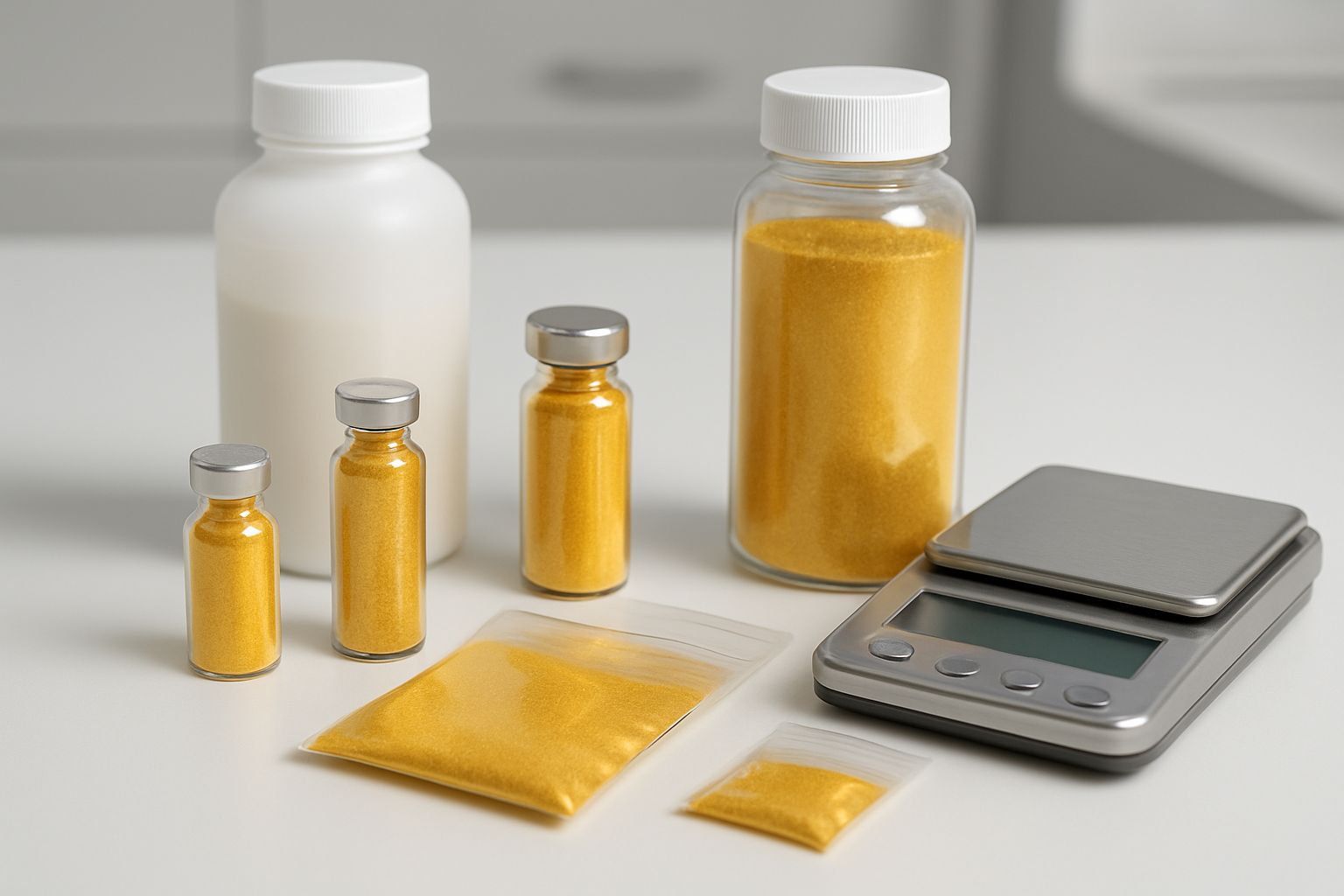
Half-gram vials for small projects and testing
Previously, we’ve explored the various professional applications for gold dust, and now we’ll examine the specific packaging options available to meet different project needs. Half-gram vials are the perfect entry point for craftsmen and professionals looking to test gold-dust applications or complete small-scale projects. These compact glass containers offer precise portioning for detailed work where minimal quantities are required.
The glass vial format ensures optimal preservation of gold dust quality while providing easy access for application. These smaller quantities are particularly valuable for artisans who need to experiment with different mixing ratios or techniques before committing to larger projects. Professional restorers often rely on half-gram portions for delicate touch-ups or when gold leafing requirements are minimal.
1-gram containers for detailed touch-up work
With the foundation of small-quantity options established, 1-gram containers serve as the workhorse packaging for most professional touch-up applications. This quantity provides sufficient material for comprehensive detail work while maintaining cost-effectiveness for specialized projects. The container size strikes an optimal balance between material availability and storage convenience.
These containers are specifically designed for craftsmen working on furniture restoration, picture frame refurbishment, or decorative element enhancement. The 1-gram quantity typically covers multiple small restoration projects or provides adequate material for extensive detail work on a single piece. Professional workshops frequently stock these containers as their standard inventory for routine restoration tasks.
2-gram jars for larger restoration projects
Now that we have covered the smaller-quantity options, 2-gram jars address the needs of more substantial restoration projects. These larger containers accommodate projects requiring extensive gold dust application, such as complete furniture piece restoration or large decorative panel work. The increased quantity ensures project continuity without the need for multiple container purchases.
The jar format provides enhanced accessibility for frequent use during extended work sessions. Professional restorers working on antique furniture, architectural elements, or large-scale decorative pieces find this quantity optimal for maintaining workflow efficiency. The larger volume also proves economical for workshops handling multiple concurrent restoration projects.
Custom quantities available for professional workshops
With this comprehensive range of standard options established, professional workshops often require specialized quantities tailored to their specific operational needs. Custom packaging accommodates bulk requirements for large-scale restoration businesses or specialized applications requiring precise material calculations.
These custom options serve established workshops, restoration companies, and professional training facilities that maintain regular gold dust inventory. The flexibility in quantity specification allows for optimal cost management and ensures adequate material availability for ongoing professional operations. Custom packaging maintains the same quality standards while providing the volume scalability necessary for commercial restoration applications.
Quality Standards and Manufacturing Origins
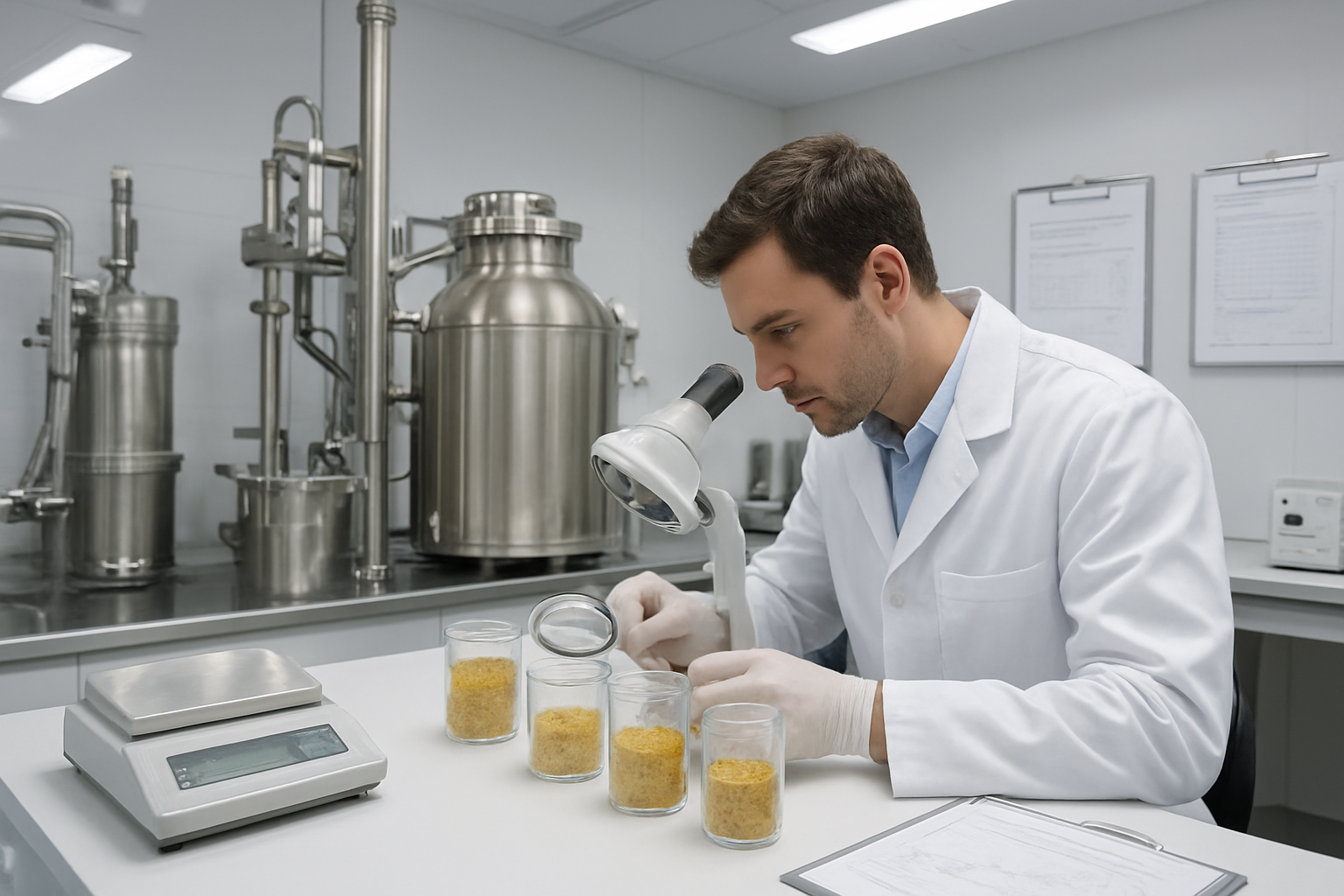
German-made Crocodile Brand by Eytzinger for premium quality
The Crocodile Brand by Eytzinger represents the pinnacle of German engineering excellence in gold dust manufacturing. This premium line has established itself as the industry standard for professionals who demand the highest quality materials for their applications. German manufacturing processes ensure consistent particle size distribution, optimal purity levels, and superior handling characteristics that deliver professional results.
The Eytzinger manufacturing facility employs advanced refining techniques that guarantee exceptional product consistency. Each batch undergoes rigorous testing protocols to maintain the brand’s reputation for reliability. The German precision manufacturing approach results in gold dust with uniform particle characteristics, making it ideal for demanding applications where quality cannot be compromised.
Thai-manufactured options for budget-conscious buyers
For professionals seeking cost-effective solutions without sacrificing essential quality standards, Thai-manufactured gold dust options provide excellent value. These products are manufactured in modern facilities that maintain strict quality control while offering more competitive pricing. The Thai manufacturing sector has developed sophisticated production capabilities that deliver reliable gold dust products suitable for a wide range of professional applications.
The pricing advantage of Thai-manufactured options makes them particularly attractive for larger volume projects or applications where the highest premium quality is not essential. These products still maintain professional-grade standards while offering significant cost savings compared to premium European alternatives.
Quality assurance and authenticity guarantees
Professional suppliers implement comprehensive quality assurance programs that include detailed documentation and authenticity verification for all gold dust products. Each shipment includes proper certification verifying purity levels, particle size specifications, and manufacturing origin details. These guarantees provide essential protection for professional buyers who require verified product specifications for their applications.
Authentication processes include proper chain-of-custody documentation and verification procedures that ensure product integrity from manufacturing through delivery. Quality assurance protocols also encompass proper storage and handling procedures that maintain product characteristics throughout the distribution process.
Professional shipping and insurance coverage
Professional distribution networks provide specialized shipping services designed specifically for precious metal products. These services include proper packaging protocols, secure handling procedures, and comprehensive insurance coverage that protects the full value of shipments. Professional shipping ensures that products arrive in optimal condition while maintaining proper security throughout the transportation process.
Insurance coverage protects against loss, damage, and other issues that could affect product delivery. Professional shipping services also offer tracking and delivery confirmation, which give buyers confidence in their purchasing decisions.
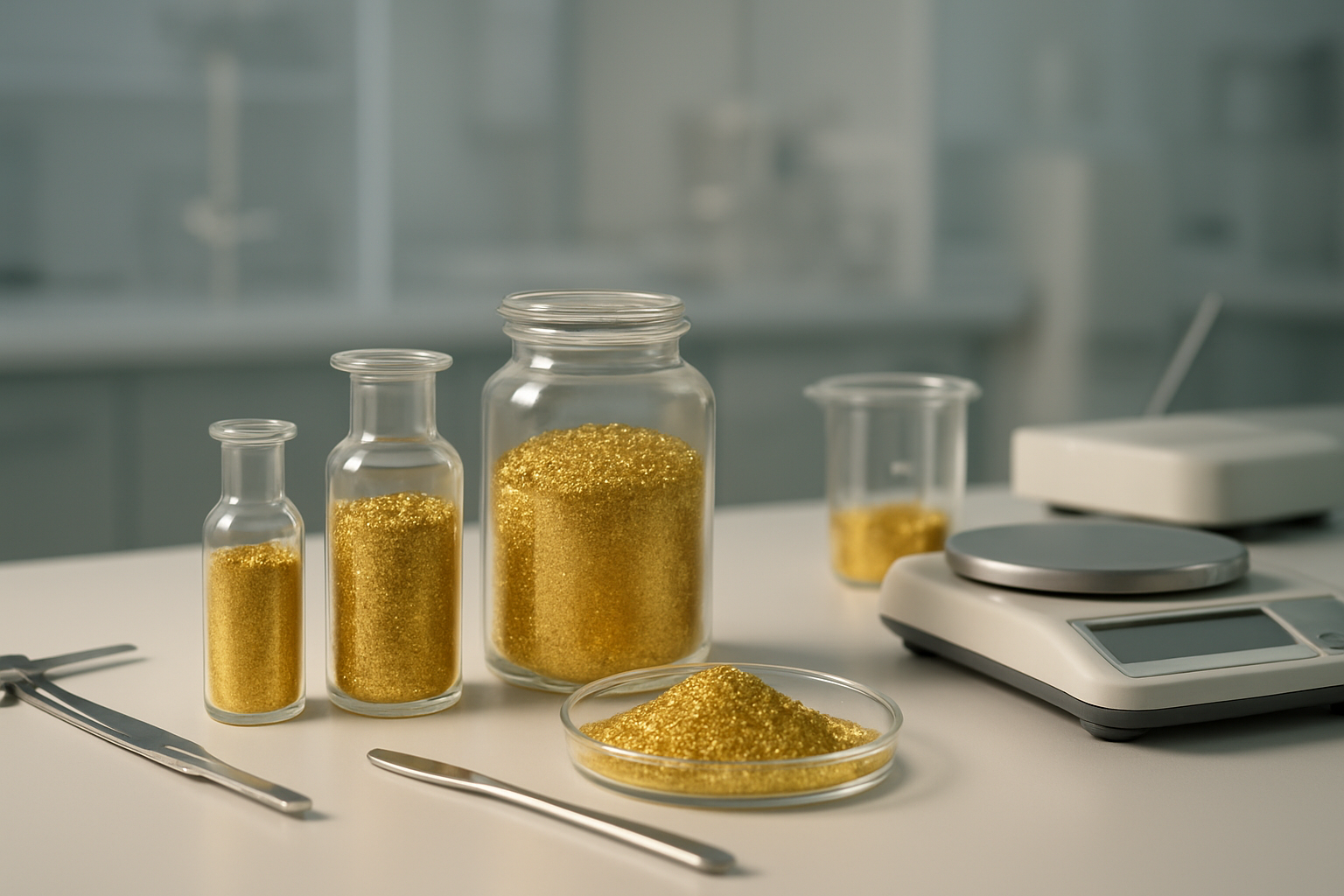
Pure gold dust and powder offer unmatched versatility for professional applications ranging from iconography and restoration work to the ancient art of Kintsugi pottery repair. Whether you’re working with 24k, 23.75k, or lower karat options, the quality of your materials directly impacts the final result. Understanding proper mixing techniques with binders like Gum Arabic or rabbit glue, combined with knowledge of particle sizes and manufacturing origins, ensures optimal performance for your specific project needs.
When selecting gold powder for your professional work, consider the available packaging options from half-gram vials to larger quantities, and choose reputable manufacturers like those producing Crocodile Brand products in Germany or quality alternatives from Thailand. The investment in genuine, finely ground gold powder will deliver superior results that stand the test of time, whether you’re restoring precious artifacts, creating illuminated manuscripts, or practicing the therapeutic art of golden repair.