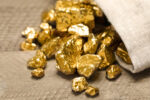
Ghana, historically known as the Gold Coast, remains a global powerhouse in the production of precious metals. The Ghana gold market is bustling with opportunity, attracting a steady stream of investors eager to capitalize on the region’s rich mineral resources. Whether you are a seasoned commodities investor or a newcomer, understanding the nuances of gold mining Ghana is absolutely essential. This quick gold investment guide for international buyers will help you confidently navigate the landscape and connect with reputable gold sellers in Ghana.
Understanding the Landscape: Formal vs. Informal Trading
When entering this lucrative arena, you must first understand the fundamental differences between the formal and informal gold trading sectors. The formal sector is highly regulated, offering robust security, clear taxation, and overall transparency. Conversely, the informal sector, often driven by members of local artisanal and small-scale mining associations, can offer highly competitive pricing but requires rigorous due diligence on the buyer’s part.
To promote ecological sustainability, the Ghanaian government actively enforces strict environmental impact regulations for small-scale mining. By choosing to purchase through regulated and compliant channels, you not only protect your capital but also enjoy the distinct benefits of sourcing from conflict-free mines, ensuring your investment is both ethical and legally secure.
Practical Steps for Buying Gold Safely
Navigating the market means knowing exactly who to trust. Many successful investors strongly recommend buying gold from PMMC Ghana (Precious Minerals Marketing Company), the official state-appointed assayer. When choosing a primary supplier, it is wise to weigh the pros and cons of PMMC-certified refineries vs private dealers. Certified refineries provide guaranteed quality and legal safety, whereas private dealers might offer more flexible negotiation terms.
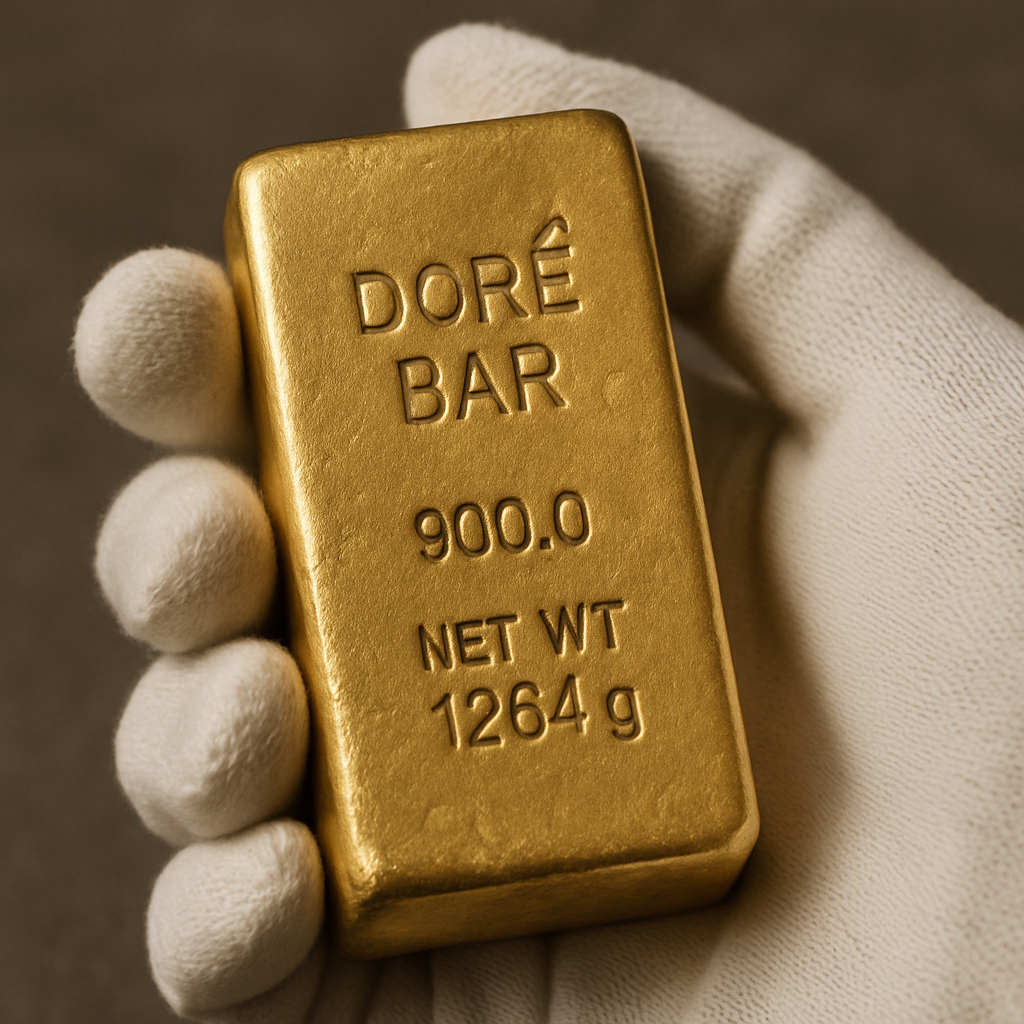
If you are interested in investing in raw gold dore bars, be aware that the purchasing process differs slightly from buying refined metals. Always cross-reference the local rates offered to you with the current market price for 24k bullion bars to ensure you are getting a fair and accurate deal.
Verifying Purity and Avoiding Fraud
Unfortunately, fraudulent actors do exist in the precious metals space. Avoiding gold scams in West Africa requires constant vigilance and adherence to standard verification processes:
- Assay Your Gold: Knowing how to verify gold purity in Accra usually involves taking the product directly to the PMMC laboratory for independent, third-party testing.
- Check the Paperwork: Always perform a thorough Ghanaian gold assay certificate authenticity check to confirm the document’s legitimacy before transferring any funds to the seller.
Export Logistics and Regulations
Once you have successfully purchased from reliable gold sellers in Ghana, exporting your assets legally is your next major milestone.
- Legal Requirements: Familiarize yourself with the Minerals Commission export license requirements. Only licensed exporters can legally ship gold out of the country.
- Required Paperwork: Ensure you have compiled all the necessary documentation for precious metal export, including customs declarations, a Bank of Ghana exchange control form, and the official PMMC assay certificate.
- Shipping Expenses: Finally, calculate the total cost of shipping precious metals from Accra. Secure, insured logistics providers (like Brinks or G4S) will add to your overall investment cost, so budget accordingly.
Conclusion
Purchasing gold in Ghana can be a highly lucrative venture if approached with caution, market knowledge, and the right partnerships. By engaging with state-certified entities, meticulously verifying all documentation, and strictly following legal export procedures, international buyers can safely tap into one of Africa’s most rewarding markets.