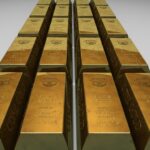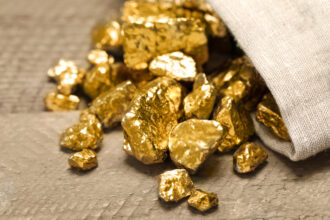
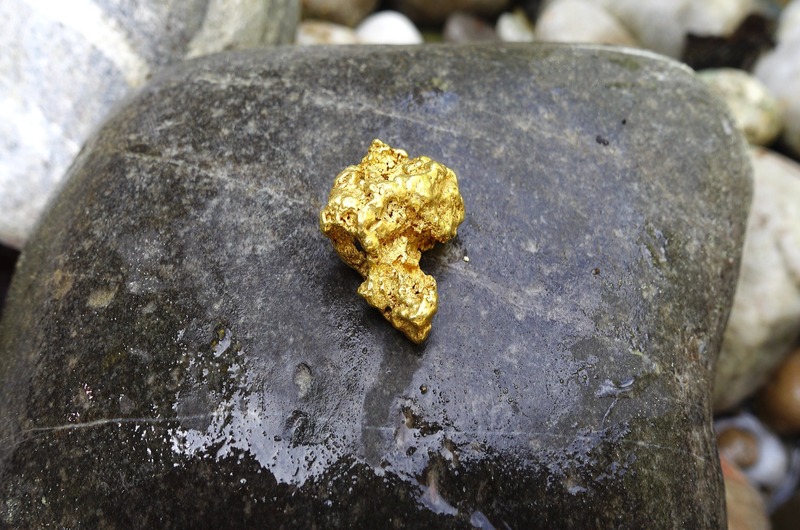
Gold is one of the most valuable assets you can purchase, whether you’re a jewelry maker, investment firm, industrial manufacturer, or collector. But with high value comes high risk-counterfeits and misrepresented gold exist in the market, and without proper verification, you could lose thousands on a single bad purchase. At Noble Ore Mining, we believe educated buyers are protected. This guide walks you through the methods, tools, and knowledge you need to confidently verify gold authenticity and purity before committing your money.
Why Gold Verification Matters
Gold’s purity, weight, and authenticity directly determine its value. A bar marked as 99.9% pure gold that’s actually 95% pure represents a significant financial loss. When you’re buying gold-whether in kilograms, ounces, or smaller quantities-you’re trusting that what you’re purchasing matches its description. Verification isn’t optional; it’s essential due diligence.
The stakes are higher than most people realize. A single kilogram of counterfeit gold can cost you $60,000 or more. Larger purchases multiply that risk exponentially. Even professional buyers with years of experience rely on verification methods because assumptions aren’t enough. In the precious metals market, verification is the bridge between trust and certainty.
Understanding Gold Purity Standards
Before you can verify gold authenticity, you need to understand how purity is measured and labeled.
Karats and Fineness
Gold purity is expressed in two ways: karats (K) and fineness (measured in parts per thousand).
- 24K gold = 99.9% pure (fineness 999)
- 22K gold = 91.7% pure (fineness 917)
- 18K gold = 75% pure (fineness 750)
- 14K gold = 58.5% pure (fineness 585)
- 10K gold = 41.7% pure (fineness 417)
When buying investment or industrial gold, you’re typically looking at 24K or 22K. Anything lower contains significant alloys (copper, silver, zinc, etc.) that affect both value and performance.
The remaining percentage-the 0.1% in 99.9% gold-consists of trace impurities that are nearly impossible to remove entirely. This is normal. What matters is that the percentage claimed matches reality.
Hallmarks and Stamps
Legitimate gold products carry hallmarks-official stamps indicating purity. These marks vary by country and refinery, but typically show:
- The purity level (999, 995, 917, etc.)
- The refinery’s maker’s mark or assay office symbol
- Sometimes the year of production
A hallmark isn’t a guarantee, but it’s a claim you can verify. If a piece lacks a hallmark, that’s an immediate red flag-legitimate refineries mark their products.
Basic Visual and Physical Verification
Before investing in expensive testing equipment, you can perform several basic checks that eliminate obvious counterfeits.
Color and Appearance
Gold has a distinctive color that’s hard to replicate. Real gold:
- Shows a warm, consistent yellow tone (for 24K or high-purity gold)
- Doesn’t tarnish or oxidize (unlike brass or copper, which turn green or brown over time)
- Has a smooth, polished surface if refined
- Shows consistent color throughout-no layering or plating visible at edges or scratches
Fake gold often shows:
- A dull or greenish hue (common in brass or low-karat alloys)
- Discoloration or patina buildup over time
- Visible plating that flakes away at the edges
- Inconsistent color between surfaces
Run your fingers over the gold-does it feel smooth and uniform? Plated gold sometimes feels slightly different at seams or edges where the plating is thinner.
Weight and Density
Gold is significantly denser than most metals, which is why it feels surprisingly heavy for its size. This property provides a quick sanity check.
Quick density test:
Gold has a density of 19.3 grams per cubic centimeter. If you know the dimensions of the gold (length, width, thickness), you can calculate the theoretical weight:
- Volume (cm³) = length × width × thickness
- Expected weight = volume × 19.3 grams
If the gold’s actual weight is significantly lower than predicted, it’s either not solid gold or contains significant hollow spaces (a common counterfeiting technique).
Example: A gold bar measuring 10cm × 5cm × 2cm should weigh approximately 1,930 grams (1.93 kg). If it weighs 1,500 grams, something is wrong.
This test works best with refined bars and ingots, where you have clear dimensions. For irregular shapes or jewelry, it’s less precise but still useful as an initial check.
Sound Test
Dropping gold onto a hard surface produces a distinctive sound. Pure gold creates a deep, bell-like tone that reverberates briefly. Counterfeits typically produce a sharp, short “clink” sound with no resonance.
This test is subjective and unreliable on its own, but combined with other checks, it provides supporting evidence. Don’t rely on it exclusively-it’s best used as a preliminary indicator, not proof.
Advanced Verification Methods
For significant purchases, basic visual checks aren’t enough. These methods provide scientific evidence of authenticity and purity.
Magnet Test
Gold is non-magnetic. If a magnet is attracted to your gold, it’s not pure gold-it contains ferrous metals (iron or steel).
How to perform it: Use a strong neodymium magnet (the kind used in industrial applications). If the magnet pulls toward the gold or the gold pulls toward the magnet, that’s conclusive evidence of contamination.
Important caveat: This test only works for ferrous metals. Gold can contain non-ferrous contaminants (like copper or silver) that won’t register on a magnet, so a passed magnet test doesn’t guarantee purity-it just rules out iron and steel.
Specific Gravity Test
This method measures gold’s density directly by comparing its weight in air versus its weight in water.
Gold has a specific gravity of 19.3, meaning it weighs 19.3 times more than an equal volume of water. If your gold’s specific gravity is significantly lower (say, 15 or 16), it contains lighter alloys.
How to perform it:
- Weigh the gold in air on a precision scale
- Suspend it in distilled water using a thin string and weigh it again
- Calculate: Specific Gravity = Weight in Air ÷ (Weight in Air – Weight in Water)
A result of 19+ confirms high-purity gold. Results below 18 suggest significant alloying or counterfeiting.
This test requires precision scales accurate to 0.01 grams, which most home users don’t have. However, professional assayers and refineries perform this test routinely.
X-Ray Fluorescence (XRF)
XRF is a non-destructive analysis method that identifies and quantifies elements in your gold without damaging it. An XRF analyzer shoots X-rays at the gold, and the returning fluorescent energy reveals the elemental composition.
Advantages:
- Accurate to within 0.1% purity
- Non-destructive-no damage to the gold
- Fast results (seconds to minutes)
- Can analyze surface composition and detect plating
Disadvantages:
- Equipment costs $5,000–$50,000
- Requires training to operate correctly
- Can’t detect internal layering (fake bars with gold plating over base metal might pass superficial XRF)
This is the gold standard for professional verification, used by refineries, dealers, and certification agencies.
Acid Testing
Acid testing is one of the oldest verification methods and remains effective, though it does create a small scratch on the gold.
Different acids react differently to different purity levels. A jeweler or assayer applies diluted nitric acid to a test scratch on the gold. The reaction-how quickly it dissolves, the color of the solution-indicates purity. Gold below 14K will dissolve quickly; higher purities resist the acid.
Advantages:
- Inexpensive ($20–$100 for a test kit)
- Reliable and fast
- Gives immediate results
Disadvantages:
- Destroys a tiny portion of the gold
- Requires training to interpret results accurately
- Can be masked by plated counterfeits if the test doesn’t go deep enough
Most professional assayers prefer XRF because it’s non-destructive, but acid testing remains valid for rapid assessment.
Fire Assay
Fire assay is the most thorough analysis method, used as the standard for certification and legal documentation. It involves heating gold to extremely high temperatures (1,100°C+) to separate pure gold from impurities, then weighing the results.
Advantages:
- Gold standard for accuracy and legal acceptance
- Provides certified results suitable for insurance, trading, and official records
- Can detect trace elements and confirm exact purity
Disadvantages:
- Destructive-consumes a small sample of the gold (typically 1–10 grams)
- Expensive ($100–$500 per assay)
- Slower (takes several days to weeks)
- Overkill for small purchases
Fire assay is the method used when gold is certified by official agencies and is required for legal or financial transactions.
Red Flags: Signs of Counterfeit or Misrepresented Gold
Knowing what to watch for helps you avoid bad purchases before testing.
Warning Signs in Sellers
- Pressure to buy quickly without allowing verification
- Prices significantly below market rates (if it seems too good to be true, it probably is)
- Reluctance to provide documentation or certification
- No hallmarks or stamps on the gold itself
- Unwillingness to allow independent testing before purchase
- Vague descriptions of purity or source
- Cash-only transactions with no paper trail
Warning Signs in the Gold Itself
- Discoloration, tarnish, or patina (gold doesn’t age this way)
- Visible seams, layers, or plating at edges
- Inconsistent color between different surfaces
- Unusually lightweight for its size
- Magnetic attraction to magnets
- Extreme price per unit that doesn’t align with spot prices
- Vague or handwritten labels instead of official stamps
How to Spot Common Counterfeits
The precious metals market has spawned several creative counterfeiting schemes.
Tungsten-Core Counterfeits
Tungsten has almost the same density as gold (19.25 vs. 19.3 grams/cm³), making it the counterfeiter’s best friend. A bar can be 50–70% tungsten with a gold coating, and basic tests won’t catch it.
How to detect it:
- XRF testing is nearly foolproof
- Acid testing can work if you cut deep enough
- Specific gravity testing might barely reveal the discrepancy
- Magnet test won’t work (tungsten isn’t magnetic)
Plated Counterfeits
A thin layer of real gold plate over base metal (brass, copper, steel) looks legitimate at first glance.
How to detect it:
- Examine edges and scratches with magnification, plating often shows at breaks
- Weigh versus dimensions (will be too light)
- XRF can detect plating if the beam penetrates the surface
- Specific gravity testing will reveal the true composition
Alloy Misrepresentation
Gold advertised as 24K or 99.9% but actually 18K or lower. The color might be close enough to fool casual inspection.
How to detect it:
- XRF analysis
- Specific gravity testing
- Fire assay
- Independent certification from a trusted refinery
Certification and Documentation
Before you buy, understand what certifications mean and what they’re worth.
Official Certifications
Legitimate certifications come from:
- National assay offices (like the British Hallmarking Council)
- LBMA-approved refineries (London Bullion Market Association)
- Major international refineries with established reputations
- Specialized precious metals testing labs
These certificates include:
- Exact purity (down to 0.1%)
- Weight
- Refinery information
- Date of certification
- Serial numbers for traceability
- Sometimes photographic documentation
Certified gold costs slightly more (the lab fees are passed to you), but for significant purchases, this cost is worthwhile insurance.
What to Look For in Certificates
- Third-party issuer, not the seller’s own lab
- Specific purity numbers, not ranges (“99.95%, not “over 99%”)
- Contact information for the issuing lab so you can verify independently
- Serial numbers linking the certificate to the physical gold
- Professional formatting-real certificates look official, not printed at home
The Noble Ore Mining Verification Standard
At Noble Ore Mining, we take verification seriously because our reputation depends on it. Here’s our commitment:
Every gold product we sell is:
- Independently assayed by third-party labs
- Certified for purity with documentation included
- Traced from the source, so you know its origin
- Tested multiple ways-we use XRF, specific gravity checks, and visual inspection
- Photographed and documented for your records
- Backed by our guarantee, if certification is found to be inaccurate, we make it right
When you purchase from Noble Ore Mining, you’re not just buying gold; you’re buying verified gold with proof. We include certification documents with every order, and we encourage customers to independently verify if they wish. We have nothing to hide.
For customers making large purchases, we also offer in-person verification. You’re welcome to bring your own testing equipment or have an independent assayer present while we show you the gold, testing procedures, and documentation.
Your Verification Action Plan
When you’re ready to buy gold, here’s the process we recommend:
1. Research the seller
- Check reviews and reputation
- Confirm they use third-party certification
- Ask for references from previous buyers
2. Request documentation before purchase
- Ask for purity certification
- Request photos and specifications
- Get written confirmation of weight, purity, and price
3. Perform preliminary checks
- Verify weight against dimensions
- Check for hallmarks
- Inspect for visible plating or seams
4. Arrange professional verification
- XRF testing for moderate to large purchases
- Consider fire assay certification for very large orders
- Use independent labs, not the seller’s own testing
5. Confirm deliverables
- Receive all certification documents
- Keep records for insurance and future sales
- Verify serial numbers match documentation
6. Follow up
- Store documentation with your gold
- Consider insuring the purchase
- Maintain records for tax purposes
Conclusion
Gold verification isn’t paranoia-it’s prudence. The precious metals market attracts counterfeits because the stakes are high, but every counterfeit has a tell if you know what to look for. Visual inspection catches most obvious fakes, but serious purchases deserve serious verification.
The good news: legitimate gold sources want you to verify. If a seller pressures you to skip testing or refuses certification, that’s your answer-walk away. Real gold backed by real certification is worth the extra cost and time.
At Noble Ore Mining, we’ve made verification simple: every product ships with independent certification, every certificate can be verified, and our team is available to answer questions about your purchase. We’re committed to being the kind of supplier you can trust-not because we ask for faith, but because we provide proof.
Ready to buy verified gold with confidence? Contact our team at Noble Ore Mining to discuss your purchase, arrange independent verification if desired, and receive full certification documentation. We’re here to make sure you know exactly what you’re buying, every time.