
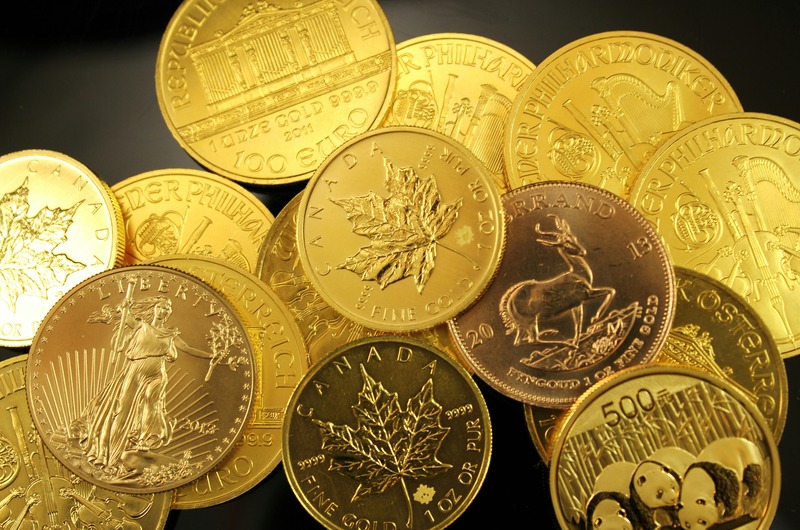
Gold coins for sale offer collectors and investors a tangible way to own precious metals while potentially building wealth over time. This guide targets both newcomers curious about gold coin investing and experienced buyers looking to expand their collections with smart purchasing decisions.
You’ll discover the main types of gold coins available in today’s market and learn what drives their pricing beyond just gold content. We’ll also cover the safest places to buy authentic gold coins and share practical tips to help first-time buyers avoid common mistakes and make confident purchases.
Types of Gold Coins Available for Purchase

American Eagle Gold Coins – Premium Quality and Liquidity
American Eagle gold coins stand as the most popular bullion coins among U.S. investors and collectors. The U.S. Mint produces these coins using gold sourced exclusively from American mines, making them a patriotic choice for precious metals enthusiasts. Each coin contains 91.67% pure gold, with the remaining content being silver and copper alloy that enhances durability and resistance to scratching.
The coins come in four sizes: 1 oz, 1/2 oz, 1/4 oz, and 1/10 oz, making them accessible to investors with varying budgets. The iconic Walking Liberty design graces the obverse, while the reverse features a majestic eagle family. This recognizable imagery helps maintain strong resale value and instant recognition in the marketplace.
Liquidity represents one of the biggest advantages of American Eagles. Coin dealers worldwide readily buy and sell these coins, often at premiums very close to spot gold prices. The coins are also eligible for inclusion in Individual Retirement Accounts (IRAs), adding tax advantages for long-term investors.
Canadian Maple Leaf Gold Coins – Pure 24-Karat Investment Option
Canadian Maple Leaf gold coins offer investors the highest purity level available in mainstream bullion coins at 99.99% pure gold (24-karat). The Royal Canadian Mint has been producing these coins since 1979, establishing them as trusted investment vehicles worldwide.
The distinctive maple leaf design symbolizes Canada’s national identity and creates instant recognition. Advanced security features include radial lines and a micro-engraved maple leaf with the coin’s year of issue, making counterfeiting extremely difficult. These security measures protect your investment while maintaining the coin’s collectible appeal.
Available in multiple sizes from 1 gram to 1 ounce, Maple Leafs accommodate various investment strategies. The 1-ounce version remains the most popular due to lower premiums per ounce of gold. The coins typically trade at competitive premiums and enjoy strong international demand, particularly in Asian markets where high-purity gold commands respect.
South African Krugerrand Gold Coins – Historic and Widely Recognized
Krugerrands hold the distinction of being the world’s first modern bullion coin, introduced in 1967 to help market South African gold internationally. This historical significance contributes to their enduring popularity among both investors and collectors.
The coins contain exactly 1 ounce of pure gold alloyed with copper (91.67% gold content), giving them their characteristic reddish hue and exceptional durability. The copper content makes Krugerrands more resistant to damage during handling and storage compared to softer pure gold coins.
Paul Kruger, former South African president, appears on the obverse alongside the springbok antelope on the reverse. This classic design has remained unchanged for decades, contributing to the coin’s instant worldwide recognition. Krugerrands often trade at some of the lowest premiums over spot gold prices, making them attractive for investors focused primarily on gold content rather than collectible value.
Austrian Philharmonic Gold Coins – European Investment Choice
Vienna Philharmonics represent Europe’s premier gold bullion coin and the best-selling gold coin in Europe. First minted in 1989, these coins feature beautiful designs of musical instruments that celebrate Austria’s rich musical heritage.
The coins contain 99.99% pure gold and showcase intricate artwork, including the great organ of Vienna’s Musikverein concert hall on the obverse and various orchestral instruments on the reverse. This artistic appeal attracts both investors and collectors who appreciate fine craftsmanship.
Denominated in euros, Philharmonics offer European investors a familiar currency connection while providing the same investment benefits as other major bullion coins. The coins are available in multiple sizes, with the 1-ounce version being the most common. They typically command reasonable premiums and enjoy strong liquidity in European markets, though they may be less familiar to North American dealers.
Understanding Gold Coin Pricing and Value Factors

Spot Gold Price Impact on Coin Valuation
The spot price of gold serves as the foundation for all gold coin pricing. This represents the current market value of one troy ounce of pure gold and fluctuates constantly in response to global economic conditions, inflation rates, and market sentiment. When you see gold coins advertised, their base value directly correlates to this spot price multiplied by the gold content in the coin.
For example, a one-ounce American Gold Eagle contains 91.67% pure gold (22 karat), so its intrinsic value equals the spot price adjusted for its actual gold content. Meanwhile, Canadian Maple Leafs contain 99.99% pure gold, making their base value nearly identical to the spot price for a full ounce coin. The spot price changes throughout trading hours, which means coin prices shift accordingly at reputable dealers.
Understanding this relationship helps you recognize fair pricing. If spot gold trades at $2,000 per ounce, a one-ounce gold coin’s melt value should reflect that price, adjusted for purity. Dealers typically update their prices multiple times daily to stay aligned with spot movements.
Premium Costs Above Spot Price Explained
Every gold coin sells above its melt value due to premiums that cover various costs and factors. These premiums typically range from 3% to 15% above spot price, depending on the coin type, dealer, and market conditions.
Manufacturing and minting costs represent the largest premium component. Government mints must recover the costs of producing, packaging, and distributing coins. Popular coins like American Eagles or Krugerrands carry lower premiums due to high production volumes, while limited mintage coins command higher premiums.
Dealer markups add another layer to premiums. Coin dealers need to cover operational costs, inventory financing, and profit margins. Online dealers often offer lower premiums than brick-and-mortar stores because of lower overhead costs.
Market demand significantly influences premium levels. During economic uncertainty or supply shortages, premiums can spike dramatically. The COVID-19 pandemic saw premiums double or triple normal levels as investors rushed to buy physical gold while mints reduced production.
Common Premium Factors:
- Coin popularity and demand
- Production and distribution costs
- Dealer markup and overhead
- Market conditions and availability
- Coin size and denomination
Rarity and Collectible Value Considerations
Beyond their gold content, many coins possess numismatic value that can far exceed their precious-metal value. This collectible premium depends on several key factors that serious collectors and investors should understand.
Mintage numbers play a crucial role in determining rarity value. Coins produced in limited quantities naturally become more valuable over time. For instance, certain years of American Gold Eagles had lower production runs, making them more desirable to collectors willing to pay significant premiums.
Coin condition dramatically affects collectible value. Professional grading services like PCGS or NGC assign grades from 1 to 70, with higher grades commanding substantial premiums. A common gold coin in average condition might sell near spot price, while the same coin in perfect mint state condition could sell for double or triple that amount.
Historical significance adds another dimension to value. Coins from specific eras, such as pre-1933 US gold coins, command historical premiums due to their association with important periods in monetary history. These coins often appreciate independently of gold price movements.
Age and availability in the marketplace influence long-term value potential. Older coins that survived melting programs or had limited original mintages tend to develop strong collector markets over the course of decades.
Key Rarity Factors:
- Original mintage quantities
- Survival rates over time
- Professional grade and condition
- Historical significance
- Current market availability
- Collector demand trends
Smart buyers balance precious metal investment goals with potential numismatic upside when selecting coins for their portfolios.
Where to Buy Authentic Gold Coins Safely

Authorized Precious Metals Dealers and Their Benefits
Working with authorized precious metals dealers offers the highest level of security when purchasing gold coins. These dealers maintain accreditation through organizations such as the Better Business Bureau, the Professional Numismatists Guild (PNG), and the American Numismatic Association (ANA). They provide certificates of authenticity, detailed purchase records, and often guarantee buyback services at competitive rates.
Authorized dealers typically carry extensive inventories of popular gold coins, such as American Eagles, Canadian Maple Leafs, and South African Krugerrands. Their staff possesses deep knowledge about coin grading, rarity factors, and market conditions. Many offer educational resources to help buyers make informed decisions. The premium you pay above spot gold prices reflects their expertise, insurance coverage, and secure storage facilities.
Most reputable dealers provide transparent pricing structures and clearly explain all fees upfront. They also maintain relationships with coin grading services, ensuring authentic certification when needed.
Online Gold Retailers – Convenience and Competitive Pricing
Online precious metals retailers have revolutionized the purchase of gold coins by offering competitive pricing and 24/7 accessibility. Major platforms like APMEX, JM Bullion, and Provident Metals provide extensive catalogs with real-time pricing based on current spot gold values.
Digital retailers often operate with lower overhead costs compared to physical stores, passing savings directly to customers. They typically offer:
- Live pricing updates tied to precious metals markets
- Bulk purchase discounts for larger orders
- Detailed product photography and specifications
- Customer review systems for buyer confidence
- Secure payment options, including bank transfers and credit cards
Most established online dealers offer insured shipping through recognized carriers such as UPS and FedEx. They also maintain comprehensive return policies and customer service teams to address concerns. When choosing online retailers, verify their business registration, check customer testimonials, and confirm their physical business address.
Local Coin Shops – Personal Service and Immediate Possession
Local coin shops provide personalized service that online retailers cannot match. Shop owners often possess decades of experience and can share valuable insights about specific coins, market trends, and investment strategies. You can physically examine coins before purchasing, which helps identify any damage or wear that might affect value.
Building relationships with local dealers can lead to early access to rare coins and preferential pricing on future purchases. Many shop owners call regular customers when interesting pieces arrive or when they receive collections from estates. This personal touch creates opportunities that simply don’t exist in online transactions.
Local shops also eliminate shipping delays and insurance concerns since you take immediate possession of your coins. If problems arise, you have face-to-face recourse rather than dealing with distant customer service departments. However, local shops may carry limited inventory compared to online retailers, and pricing might be slightly higher due to overhead costs.
Auction Houses and Estate Sales – Unique Opportunities
Auction houses offer opportunities to acquire rare and collectible gold coins that are rarely available in traditional retail channels. Major auction houses such as Heritage Auctions, Stack’s Bowers, and Bonhams regularly feature numismatic collections of historical significance and exceptional rarity.
Estate sales can yield remarkable discoveries at below-market prices. Families liquidating coin collections may not fully understand the value of their holdings, creating opportunities for knowledgeable buyers. However, auction purchases require careful research and bidding discipline to avoid overpaying in competitive situations.
Key strategies for auction success include:
- Pre-auction viewing to examine coin condition
- Setting firm bidding limits before the sale begins
- Understanding buyer’s premiums and additional fees
- Researching recent sales of similar coins
- Verifying authenticity through available documentation
Auction houses typically provide condition reports and authenticity guarantees, but buyers should still exercise due diligence. Successful auction bidding requires patience and a willingness to walk away from overpriced items.
Bank Purchases – Security and Trust Advantages
Several banks still sell gold coins, though this practice has become less common over recent decades. Banks that do offer gold coins provide unmatched security and institutional credibility. Your transaction records integrate with existing banking relationships, simplifying tax reporting and record-keeping.
Bank purchases typically involve popular bullion coins rather than rare collectibles. Pricing may be less competitive than specialized dealers, but the convenience and trust factor appeal to conservative investors. Some banks offer storage services, allowing customers to purchase coins while maintaining them in secure bank vaults.
Banks also provide financing options that other dealers cannot match. Established customers may qualify for favorable loan terms for larger gold purchases. However, bank inventory selections are usually limited, and staff may lack specialized numismatic knowledge that dedicated coin dealers possess.
Essential Tips for First-Time Gold Coin Buyers

Verifying Authenticity and Avoiding Counterfeit Coins
The gold coin market has its share of sophisticated counterfeits that can fool even experienced collectors. Start by purchasing only from reputable dealers who offer certificates of authenticity and have established track records in the precious metals industry. Check dealer credentials through the Better Business Bureau and professional numismatic associations.
Learn to recognize authentic coin features before making your first purchase. Genuine gold coins have specific weights, dimensions, and magnetic properties that counterfeiters struggle to replicate perfectly. A simple magnet test can reveal fake coins – real gold is not magnetic, so any attraction indicates the presence of other metals. However, non-magnetic doesn’t guarantee authenticity, as many counterfeit coins use non-magnetic base metals.
Invest in a digital scale that measures to the tenth of a gram. Each coin type has precise weight specifications that counterfeiters rarely match exactly. American Gold Eagles, for example, should weigh exactly 33.931 grams for the one-ounce version. Even small weight discrepancies can signal problems.
Consider purchasing a precious metals testing kit or having coins professionally authenticated through services like PCGS or NGC. These third-party grading services provide tamper-evident holders and detailed authenticity verification. While the cost adds to your initial investment, the peace of mind and potential resale value increase make professional grading worthwhile for higher-value coins.
Proper Storage Solutions to Protect Your Investment
Gold coins require careful storage to maintain their condition and value over time. The storage environment directly impacts your coins’ long-term preservation and potential appreciation. Temperature fluctuations, humidity, and exposure to air can cause tarnishing or damage, even to gold coins that contain other metals.
Individual coin capsules provide the first line of defense against environmental damage. Choose acid-free, archival-quality holders specifically designed for precious metals. Avoid PVC-containing plastics that can release harmful chemicals over time. Air-Tite capsules and similar products create protective barriers while allowing you to view your coins clearly.
For larger collections, consider a high-quality safe or safety deposit box. Home safes should be fireproof, waterproof, and properly anchored. Look for safes with Underwriters Laboratories (UL) ratings and ensure they maintain stable internal conditions. Safety deposit boxes offer professional-grade security but limit access to banking hours.
Create a consistent storage system with detailed inventory records. Photograph each coin, document purchase dates, prices, and storage locations. Store these records separately from your physical coins. Some collectors use specialized numismatic software or simple spreadsheets to track their collections and monitor value changes over time.
Never store gold coins in areas prone to temperature fluctuations, such as attics or basements. Room-temperature environments with stable humidity levels work best for long-term preservation.
Insurance Coverage Options for Gold Coin Collections
Standard homeowner’s or renter’s insurance policies typically provide minimal coverage for precious metal collections, often capping payouts at $1,000 to $2,500. These limits fall far short of protecting serious gold coin investments, making supplemental insurance coverage essential for most collectors.
Scheduled personal property endorsements represent the most common insurance solution for coin collections. These riders specifically list individual high-value coins or your entire collection, providing agreed-value coverage that doesn’t require you to prove market value during claims. Work with your insurance agent to determine appropriate coverage levels based on current market values and your collection’s growth plans.
Specialized collectibles insurance companies offer comprehensive coverage tailored to precious metals and numismatic collections. Companies like Hugh Wood Inc., American Collectors Insurance, and MiniCo provide policies that cover theft, damage, mysterious disappearance, and market fluctuations. These specialized insurers understand coin collecting and typically offer broader coverage terms than traditional carriers.
Document your collection thoroughly for insurance purposes. Professional appraisals, detailed photographs, and purchase receipts create the documentation needed for coverage and claims processing. Update appraisals every few years as gold prices and numismatic values change. Many insurance companies require periodic appraisals to maintain coverage or adjust policy limits.
Consider the storage requirements imposed by insurance companies. Some insurers mandate specific safe ratings, security systems, or storage locations. Safety deposit box storage often qualifies for reduced premiums due to enhanced security. Review policy terms carefully to understand coverage limitations, deductibles, and claim procedures before purchasing coverage.
Investment Benefits of Owning Physical Gold Coins

Portfolio Diversification and Inflation Hedge Protection
Gold coins serve as a powerful counterbalance to traditional investments like stocks and bonds. When stock markets tumble or currency values fluctuate, gold typically moves in the opposite direction, creating a natural buffer for your investment portfolio. This negative correlation becomes especially valuable during economic downturns, when other assets also lose value.
Physical gold coins offer unmatched protection against inflation. As central banks print more money and prices rise across the economy, gold historically maintains its purchasing power. Unlike paper currencies, which can be devalued through monetary policy, gold coins represent finite resources that governments cannot create at will. During the 1970s inflationary period, gold prices soared while traditional investments struggled, demonstrating this protective quality.
The key advantage lies in gold’s intrinsic value. While paper assets depend on the financial health of companies or governments, gold coins derive worth from the metal itself. This fundamental difference creates stability that many investors find reassuring, especially when allocating 5-10% of their portfolio to precious metals.
Tangible Asset Ownership in Uncertain Economic Times
Unlike digital investments or paper certificates, gold coins provide something you can physically hold and store. This tangible nature becomes particularly appealing during banking crises, currency devaluations, or geopolitical tensions, when traditional financial systems are under stress.
Gold coins offer complete ownership without counterparty risk. You don’t need to worry about bank failures, brokerage insolvencies, or government confiscation of digital accounts. Your coins remain yours regardless of what happens to financial institutions or electronic trading systems.
The psychological benefits of physical ownership shouldn’t be underestimated. Many investors sleep better knowing they have real assets that exist independently of computer systems or financial intermediaries. This peace of mind becomes invaluable during market crashes or economic uncertainty when paper investments feel increasingly abstract and vulnerable.
Storage flexibility adds another dimension to ownership benefits. You can keep coins in home safes, safety deposit boxes, or professional vaults, maintaining direct control over access and security measures.
Tax Advantages and Capital Gains Considerations
Gold coin investments often qualify for favorable tax treatment compared to other collectibles. In many jurisdictions, certain gold coins are eligible for preferential capital gains rates when held for extended periods. American Eagle and Buffalo coins, along with other government-issued pieces, frequently benefit from these tax advantages.
The timing of gains recognition provides strategic flexibility. Unlike dividend-paying stocks or interest-bearing bonds that generate taxable income annually, gold coins only trigger tax obligations when sold. This allows investors to control when they realize gains, potentially timing sales during lower-income years to minimize tax impact.
Some retirement account structures accommodate gold coin investments, enabling tax-deferred or tax-free growth depending on the account type. Self-directed IRAs can hold specific gold coins, allowing investors to diversify retirement portfolios while maintaining tax advantages.
Record-keeping for gold coins remains relatively straightforward compared to complex financial instruments. Purchase receipts and sale documentation typically suffice for tax reporting purposes, avoiding the detailed tracking required for stocks with multiple dividend reinvestments or corporate actions.
Long-Term Wealth Preservation Strategy
Gold coins excel at maintaining purchasing power across generations. Families have successfully passed gold wealth through multiple economic cycles, wars, and currency changes. The metal’s enduring value transcends political boundaries and monetary systems, making it an effective tool for intergenerational wealth transfer.
Historical performance data shows gold coins preserving wealth over decades despite short-term volatility. While annual returns may vary significantly, the long-term trajectory typically keeps pace with, or even exceeds, inflation rates, protecting accumulated wealth from erosion.
The universal acceptance of gold creates global liquidity advantages. Major gold coins trade actively in markets worldwide, ensuring you can convert holdings to local currency regardless of location. This international recognition provides flexibility for families with global interests or those considering geographic diversification.
Physical durability adds to gold’s wealth preservation qualities. Properly stored gold coins can last centuries without degradation, unlike paper assets that may become worthless due to company failures or currency collapses. This permanence makes gold coins particularly suitable for very long-term wealth preservation strategies spanning multiple generations.

Gold coins offer collectors and investors a tangible way to diversify their portfolios while owning something with real, lasting value. From American Eagles to Canadian Maple Leafs, there’s a wide variety of coins available, each with different pricing factors based on weight, purity, rarity, and market conditions. Finding reputable dealers is crucial for authenticity, whether you’re shopping online through established precious metals companies or visiting local coin shops with solid track records.
Starting your gold coin journey doesn’t have to be overwhelming. Begin with popular bullion coins that are easy to buy and sell, understand the premiums you’ll pay above spot price, and always verify authenticity before making larger purchases. Physical gold coins provide a hedge against inflation and economic uncertainty while giving you direct control over your investment. Take your time to research, start small, and build your collection gradually as you gain experience in this rewarding market.